
Wachuma, also known as San Pedro, has been part of the spiritual tradition of the Andes for thousands of years. Today, many travelers arrive in Cusco interested in learning about this ancestral practice. In this guide we explain what a Wachuma ceremony in Cusco is, how it unfolds, who should not take part and the signs that an experience is carried out with respect and responsibility.
This article is for information only and does not replace the advice of a health professional.
What is Wachuma (San Pedro)?
Wachuma (also spelled huachuma) is a columnar cactus that grows in the Andean valleys of Peru, Bolivia and Ecuador, scientifically known as Echinopsis pachanoi. It contains mescaline, an alkaloid with psychoactive effects; that is why its traditional use has always been tied to a ceremonial context and the guidance of an experienced master.
Origins and meaning in Andean tradition
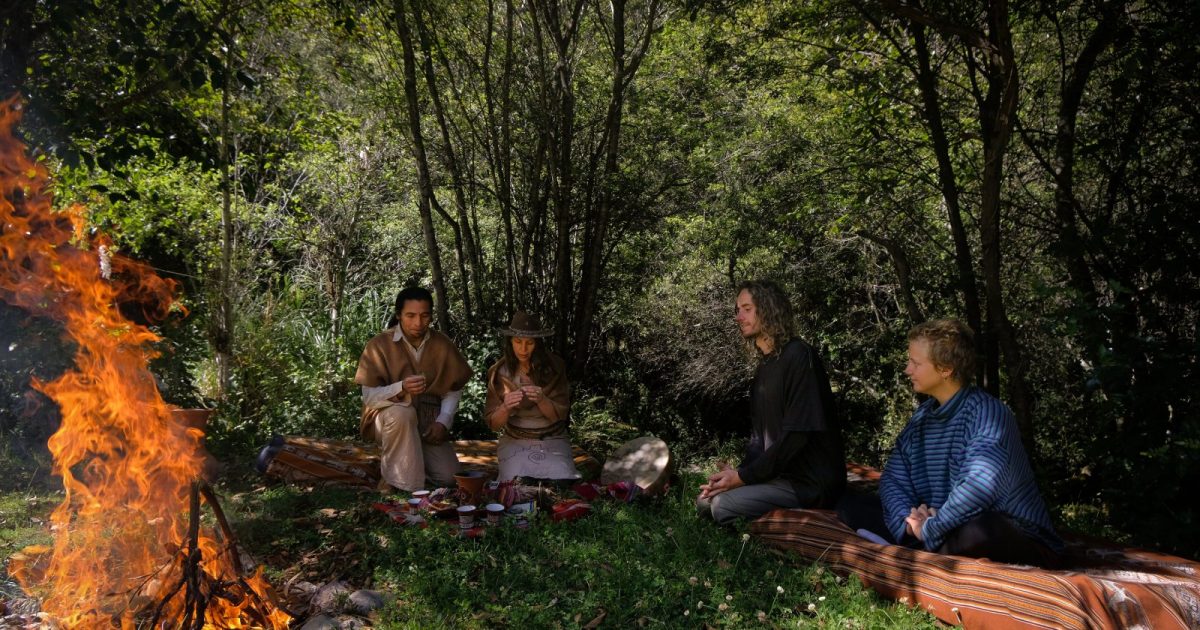
Its ceremonial use has very old roots: at the temple of Chavín de Huántar, in Peru’s central Andes and more than 2,500 years old, there are depictions of figures holding this cactus. In the Andean worldview, the ceremony is a moment of connection with Pachamama (Mother Earth) and the Apus (the spirits of the mountains). That is why it usually takes place during the day, outdoors and in natural settings such as the Sacred Valley.
What does a responsible ceremony look like?
1. Prior evaluation
Before confirming your participation, the team should ask you to complete a questionnaire about your health, medication and history. It is the most important step: it shows whether the experience is suitable for you.
2. Preparation
In the days before, a light diet is recommended, avoiding alcohol and other substances, and arriving well rested. It is also a good moment to reflect on your intention.
3. The ceremonial day
The ceremony begins in the morning with a traditional opening, often with offerings to Pachamama. The master guides the intake of Wachuma and accompanies the group throughout the day, which usually lasts several hours and includes moments of silence, contemplation and calm walks in nature.
4. Integration space
To close, participants share in a talking circle and take time to rest. It is best not to plan demanding activities for the rest of the day.
Who should not take part?
Wachuma is not a recreational or tourist activity, and it is not suitable for everyone. As a precaution, it is not recommended in case of:
- Pregnancy or breastfeeding.
- Cardiovascular disease or high blood pressure.
- A history of psychiatric disorders, such as psychosis or bipolar disorder.
- Treatment with antidepressants or other medications that may interact.
- Minors.
If you have any doubts, consult your doctor before booking and disclose all your medication during the prior evaluation.
How to choose a responsible experience in Cusco
In Cusco it is common to be offered ceremonies on the street or at very low prices. Before deciding, check that:
- A prior evaluation is mandatory and you are asked about your health and medication.
- The group is small, for close support.
- The master has a track record and respect for the tradition.
- There is a safety protocol and support staff throughout the day.
- No results are promised: a serious experience offers no cures or guarantees.
- The company is formally registered and you can contact it before and after the ceremony.
What to bring on the day
- Comfortable layered clothing and something warm for the afternoon.
- Hat, sunglasses and sunscreen.
- Water and a notebook to write down your reflections.
- An open, respectful attitude toward the tradition.
The Wachuma ceremony with Kuntur Spirit
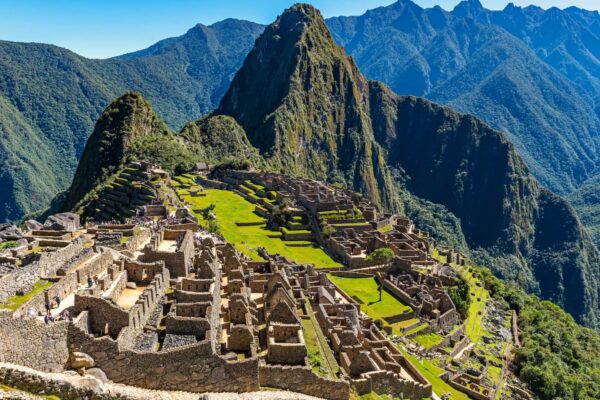
Our Ancestral Journeys line includes the ceremony as part of a carefully planned trip. In the program Wachuma Ceremony in Cusco (5 days / 4 nights), the ceremonial day takes place in the Sacred Valley, in a small group, with prior evaluation and responsible support, and is complemented by the City Tour and the visit to Machu Picchu.
Frequently asked questions
How long does a Wachuma ceremony last?
The ceremonial day usually takes up most of the day, so it is best to set aside that whole day for the experience and rest.
Do I need previous experience?
No. What matters is passing the prior evaluation, preparing in advance and following the guidance of the master and the team.
Can I combine the ceremony with Machu Picchu?
Yes. Ideally you take part once you are acclimatized to the altitude and plan the following day calmly. In our program, the visit to Machu Picchu takes place the day after the ceremony.
Let’s talk before you book
Everyone is different. Schedule a conversation on WhatsApp with our team and we will answer your questions about the prior evaluation and preparation.